
Recovery Without a Blueprint: Why Stopping the Behavior Isn't the End Goal
Jul 20, 2026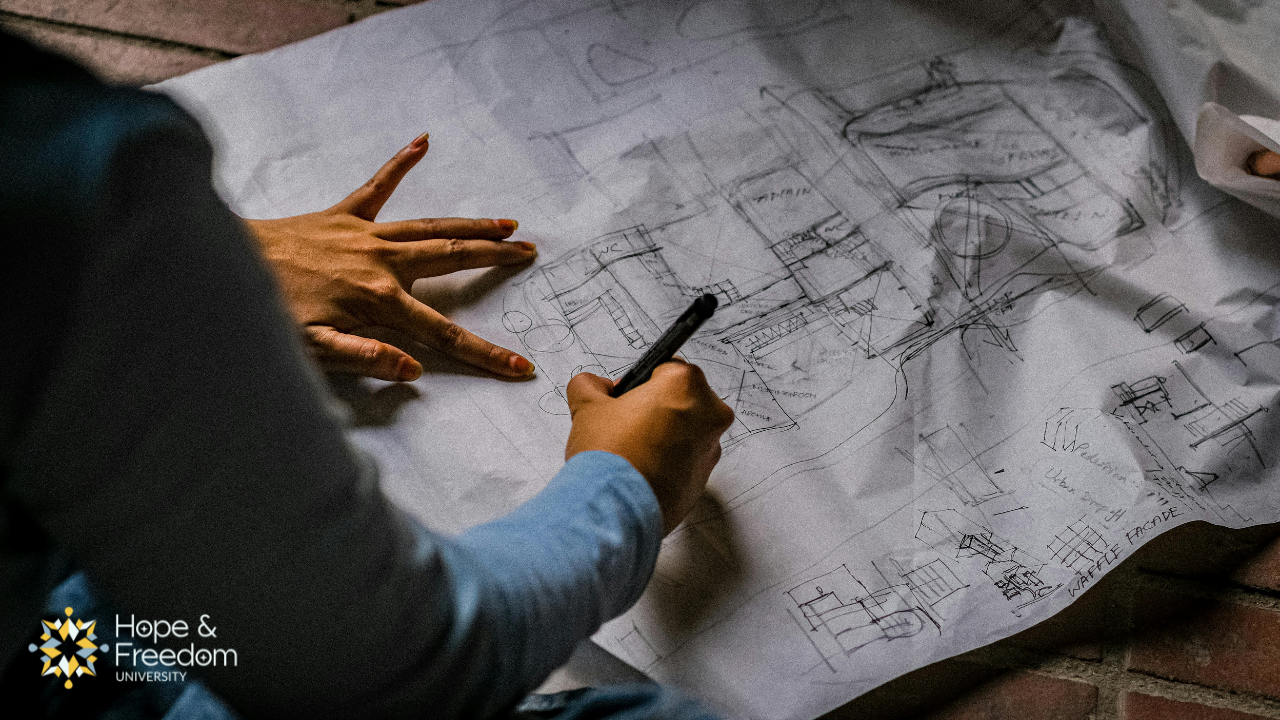
Imagine buying an old house that's seen better days. You know it needs work. The roof leaks when it rains. The kitchen is outdated. The floors creak beneath your feet. Every room seems to reveal another project waiting to be tackled.
So you begin where the problem feels most obvious. You patch the roof. You breathe a sigh of relief—problem solved! The rain stays outside, right where it belongs.
Then you notice the windows are letting in cold air. The plumbing starts acting up. A crack appears in the foundation that you hadn't noticed before.
It can feel discouraging. Didn't you fix the house?
Not exactly. You solved one important problem, but restoring an entire home takes more than repairing a single leak.
Recovery can feel the same way.
Many people begin their healing journey believing that recovery is primarily about stopping a destructive behavior. If I can just stop acting out. If I can just stop lying. If I can just stop obsessing, controlling, checking, or numbing myself, then everything else should begin falling into place.
Stopping harmful behaviors matters. It's often the first and most necessary step, but it isn't the finish line.
When Sobriety Isn't the Whole Story
One of the most confusing experiences in early recovery is discovering that life doesn't automatically become peaceful once the behavior stops.
You may be making progress in your recovery while still struggling with overwhelming emotions. You may find yourself reacting defensively in conversations, feeling disconnected from your spouse, exhausted by stress, or unsure of who you are apart from the patterns you've relied on for years.
It can leave you wondering, "Am I doing something wrong?"
Usually, the answer is no.
You're simply discovering that recovery is much bigger than sobriety.
The goal isn't simply to stop destructive behaviors—it's to become the kind of person who no longer needs them.
That's a very different kind of healing.
Recovery Is About Building, Not Just Removing
Imagine trying to renovate that old house without a blueprint.
You might spend months creating a beautiful kitchen while ignoring the electrical system hidden behind the walls. You could replace every window and still overlook the cracked foundation beneath your feet.
Without a plan for the whole house, it's easy to pour tremendous energy into one area while missing others that are just as important.
In recovery, many people focus all of their attention on one piece of healing because it's the part they can see most clearly. They work tirelessly on sobriety, or communication, or marriage, or trauma, while wondering why life still feels fragmented.
It's not because they're failing. It's because no one has shown them the whole blueprint.
What Does a Healthy Life Actually Look Like?
Not all of us have had clear models of what it looks like to live a flourishing life. Maybe we’ve spied something like it on a sitcom or read a book that looked like the good life. Maybe we’ve watched other couples and thought to ourselves, “How do they do it?” Or maybe the whole concept of “the good life” is completely foreign to us, a fantasy people aspire to achieve, but one that’s not really all that possible.
Even if you’ve never witnessed a truly healthy life doesn’t mean that it isn’t possible. You can build a life that’s not just free from the burden of problematic behaviors. You can build a life in which you’re thriving, in every part of who you are. Our relationships. Our emotional lives. Our physical wellbeing. Our thinking. Our ability to connect. Our sense of purpose and integrity.
Healing isn't measured only by what you stop doing. It's also measured by what you begin building.
Six Domains of Wholeness
That's why we created iReAct 101.
Rather than offering another list of recovery techniques, iReAct 101 provides a framework for understanding what a healthy, whole life actually looks like.
Throughout the course, you'll explore six essential domains of recovery:
- Intimacy & Integrity — learning to live honestly while cultivating genuine connection with yourself and others.
- Recovery & Resilience — building sustainable habits that strengthen your capacity to navigate life's challenges.
- Emotional Regulation & Emotional Intelligence — understanding your emotions instead of being controlled by them.
- Attachment, Attunement & ADHD — exploring how your brain, your relationships, and your attachment patterns shape the way you experience the world.
- Connection, Communication & Conflict — developing healthier ways of relating, listening, repairing, and growing with others.
- Trauma & Triggers — understanding how past experiences shape present reactions while developing practical tools to respond with awareness, resilience, and intention instead of automatic survival patterns.
Together, these six domains provide something many people have never had before:
A blueprint for recovery—not a checklist to complete or a promise of instant transformation—a clear picture of what you're building.
Recovery Is Bigger Than You Imagined
When people first begin recovery, they often ask, "How do I stop?"
It's an important question, but the deeper question, the one that will sustain your recovery for a lifetime instead of for a limited time, is How do I become whole?
That's the question iReAct 101 was designed to answer.
Recovery isn't simply about removing destructive behaviors from your life. It's about restoring the person you were always created to become.
When you begin building that life intentionally—one room, one habit, one relationship, one healthy choice at a time—you discover that recovery isn't just about surviving your past.
It's about creating a future that's stronger, healthier, and more connected than you may have thought possible.
Learn more about iReAct 101 and take the next step in your recovery journey.
You can find hope and healing today. Become a member of Hope & Freedom University, an online recovery community that offers coaching, mini-courses, and support for individuals and couples who are navigating recovery from sex addiction and betrayal trauma.
Sign up for ongoing recovery support.
Join our mailing list to receive the latest news and updates from our team.
Don't worry, your information will not be shared.
We hate SPAM. We will never sell your information, for any reason.