
Recovery Is More Than Sobriety: What Real Change Looks Like
Apr 14, 2026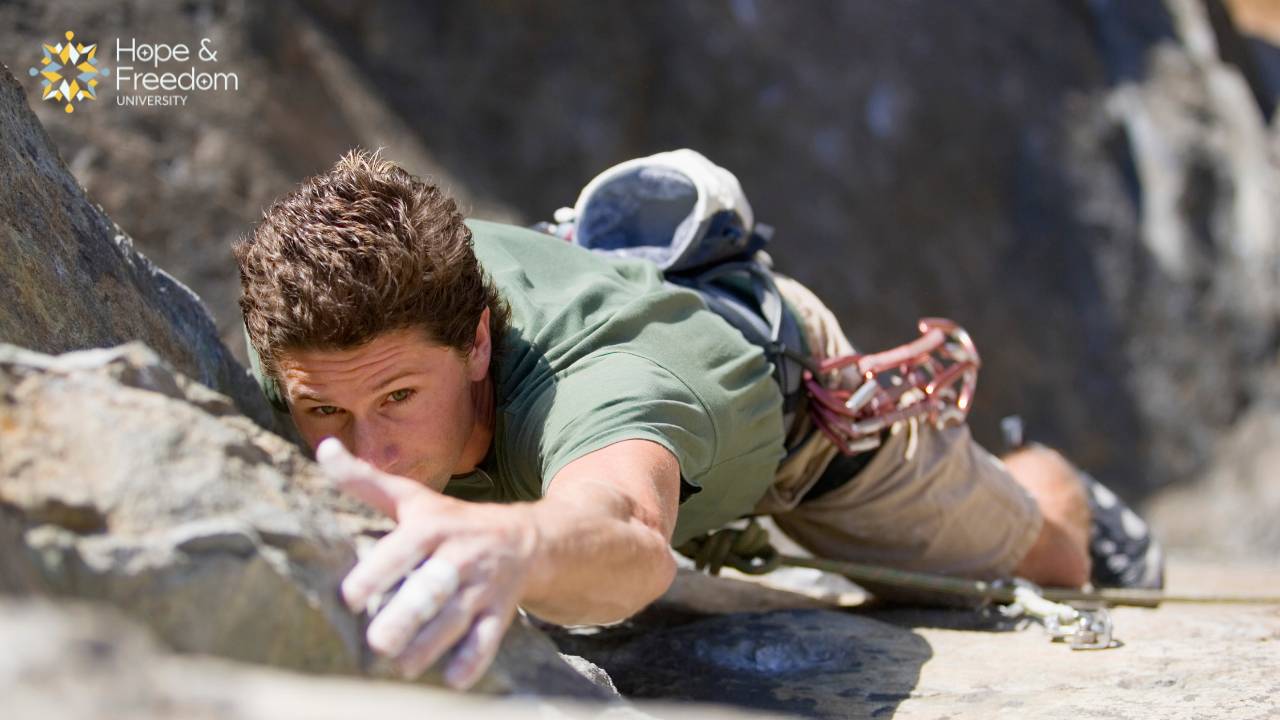
Often, when those who struggle with compulsive sexual behavior are “found out,” they enter into a period of sobriety built on promises and willpower. There’s a deep desire to stop acting out, become a better person, and remain faithful, proving to themselves, their partner, and the world that they’re stronger than their addiction.
Almost inevitably, temptations arise. Intrusive thoughts surface. Triggers flare. Individuals find themselves falling into slips and relapses, sometimes over and over again.
Why does this happen? Why can’t you strong-arm your way into recovery? The answer is simple.
Sobriety is not the same thing as recovery.
The Problem with “White-Knuckling”
In the early stages of recovery from sex addiction, it’s common to rely on sheer willpower to stop behaviors. This is often called white-knuckling—gripping tightly, holding on with everything you have, absolutely determined never to go back.
To be clear: stopping the behavior matters. It is a necessary first step—it creates safety and interrupts harmful patterns—but white-knuckling alone is not sustainable.
Why?
White-knuckling focuses only on what you’re not doing, rather than transforming who you are becoming.
Without deeper work, the internal world that fueled the addiction remains largely unchanged:
- Emotional triggers still go unrecognized or unmanaged
- Stress and overwhelm still build without healthy outlets
- Shame continues to operate beneath the surface
- Relationships remain disconnected or conflict-driven
Eventually, the pressure builds. When it does, willpower alone often isn’t enough to hold the line.
What Real Recovery Actually Looks Like
Real recovery goes beyond behavior modification. It is about transformation—internal, relational, and lived out over time.
Here’s what that looks like in practice:
1. Emotional Awareness and Regulation
Instead of escaping or numbing emotions, you begin to recognize them.
You can name what you’re feeling—stress, loneliness, anger, shame—and respond to those emotions in healthy, grounded ways. You are no longer controlled by your internal state.
2. Understanding the “Why” Behind the Behavior
Addictive behaviors don’t come out of nowhere. They are often attempts to cope, to soothe, to avoid pain, or to feel something when numbness sets in.
Recovery means getting curious about your patterns:
- When do urges show up?
- What are you trying to avoid or achieve in those moments?
- What beliefs are driving your behavior?
This awareness shifts you from reacting automatically to responding intentionally.
3. Building a Structured Recovery Plan
Lasting change doesn’t happen by accident. It requires rhythms, tools, and intentional practices that support your growth:
- Daily check-ins or reflection practices
- Identifying triggers (people, places, situations)
- Replacing old behaviors with healthier alternatives
- Creating accountability structures
Recovery becomes something you practice, not just something you hope for.
4. Developing Integrity
Integrity is about aligning what is true inside you and what you present to others.
In addiction, there is often a gap between these two realities. Recovery closes that gap.
You begin to:
- Tell the truth, even when it’s uncomfortable
- Take responsibility for your actions
- Follow through on commitments
- Live in a way that is consistent and trustworthy
Real trust is rebuilt through reliable patterns, not just promises.
5. Repairing and Rebuilding Relationships
Sobriety may stop the harm, but it does not automatically heal the damage.
Recovery includes learning how to:
- Listen with empathy
- Take ownership without defensiveness
- Create emotional safety
- Engage in honest, respectful communication
Healing a relationship takes time, consistency, and a willingness to show up differently.
The Shift from Control to Growth
White-knuckling is about control. Real recovery is about growth.
One is driven by fear—I can’t go back there. The other is driven by transformation—I am becoming someone new.
This shift unfolds over time, through intentional effort, support, and practice.
The work is worth it, because the goal isn’t just to stop a behavior. The goal is to build a life where you no longer need that behavior in the first place.
If You’re Ready for Real Recovery…
You don’t have to figure it out on your own. In fact, you shouldn’t try to navigate recovery alone.
If you’re ready to move beyond sobriety and begin building real, lasting change, Sex Addiction 101 is designed to help you understand the patterns, drivers, and pathways of recovery in a clear, practical way.
This course will help you:
- Understand the roots of addictive behavior
- Recognize your personal patterns and triggers
- Begin building a recovery framework that actually works
- Take meaningful steps toward emotional and relational healing
You’ve already taken the first step by stopping the behavior. Now it’s time to build something new in its place.
Learn more and begin your recovery journey today.
You can find hope and healing today. Become a member of Hope & Freedom University, an online recovery community that offers coaching, mini-courses, and support for individuals and couples who are navigating recovery from sex addiction and betrayal trauma.
Sign up for ongoing recovery support.
Join our mailing list to receive the latest news and updates from our team.
Don't worry, your information will not be shared.
We hate SPAM. We will never sell your information, for any reason.